
Best Influencer Platforms & Tools for Brands in Singapore (2026 Comparison)

Introduction: Why Influencer Tools Matter in Singapore in 2026
Influencer marketing in Singapore has evolved beyond spreadsheets and DMs.
In 2026, brands are managing:
hundreds of creators
performance reporting and ROI
This has led to a surge in influencer marketing platforms and tools promising faster discovery, automation, and analytics.
But here’s the truth:
Tools don’t replace strategy.
They support it.
This guide compares the best influencer platforms used by Singapore brands, their strengths, limitations, pricing models, and when it makes sense to use a platform versus partnering with a full-service agency like Confetti.
What Influencer Platforms Are (and Aren’t)
What Platforms Do Well
Creator discovery & search
Basic campaign management
Reporting & performance tracking
Marketplace-style outreach
What Platforms Don’t Do Well
Creative strategy & scripting
Creator relationship management
Performance optimisation
Most brands eventually realise platforms are tools, not growth engines.
Key Factors to Evaluate Influencer Platforms in Singapore
Before choosing a platform, evaluate it across these dimensions:
Creator Database (SG-focused) >>> Many tools are global but weak locally
Authentic Engagement Data >>> Fake followers remain a problem
Licensing & Whitelisting Support >>> Critical for paid ads
TikTok Shop & Livestream Support >>> Major 2026 growth channels
Pricing Transparency >>> Hidden costs add up
Local Support >>> Asia-specific knowledge matters
Top Influencer Platforms & Tools in Singapore (2026)
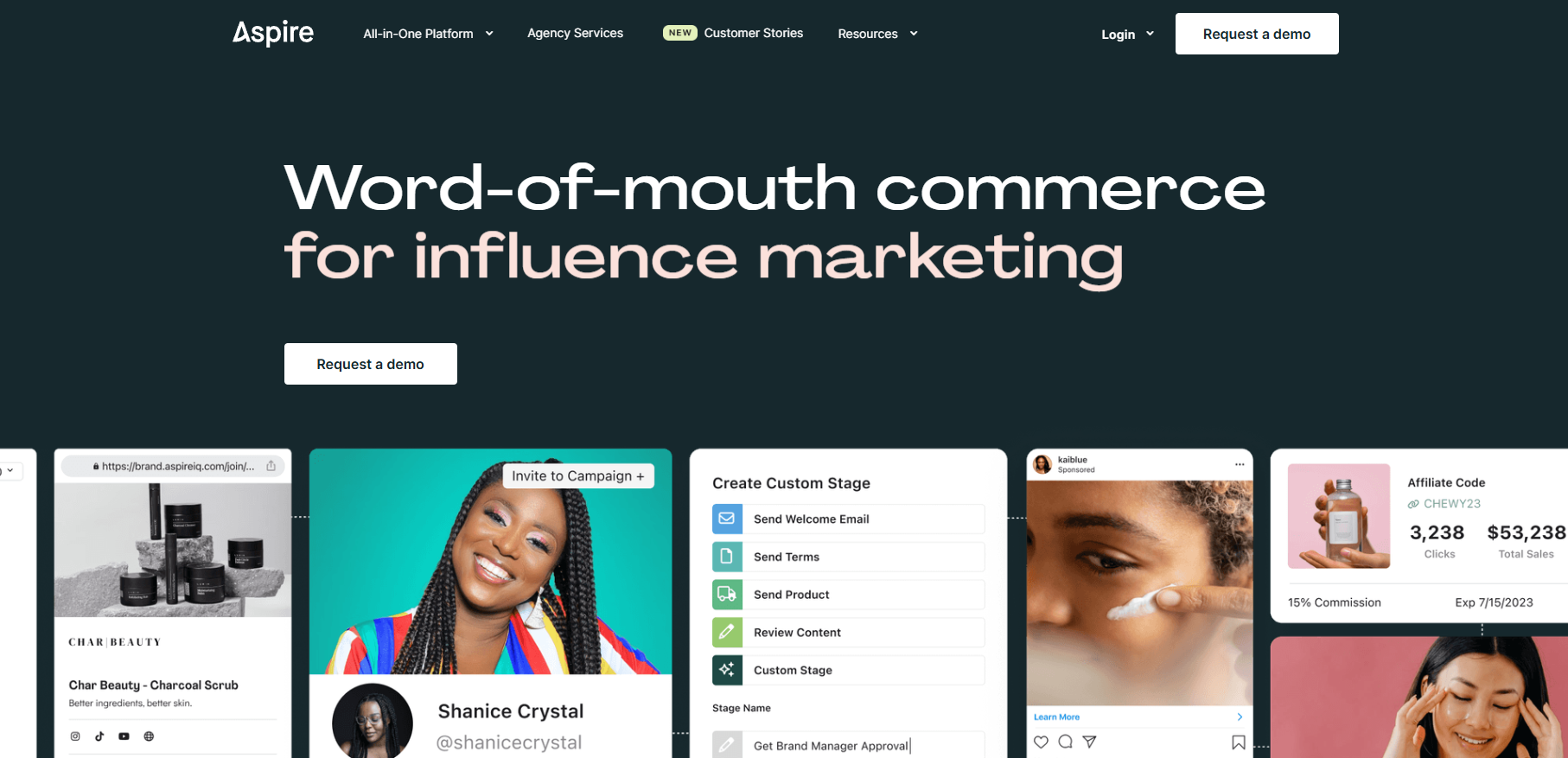
1️⃣ Aspire (Formerly AspireIQ)
Overview
Aspire is one of the most established influencer marketing platforms globally and is commonly used by enterprise brands in Singapore.
Key Features
Large creator database
Workflow automation
Campaign tracking
CRM-style creator management
Pros
✅ Strong creator discovery
✅ Scalable for large teams
✅ Integrates with paid media tools
Cons
❌ Expensive for SMEs
❌ Limited Southeast Asia creator depth
❌ No hands-on strategy support
Best For
Enterprise brands with in-house influencer teams.
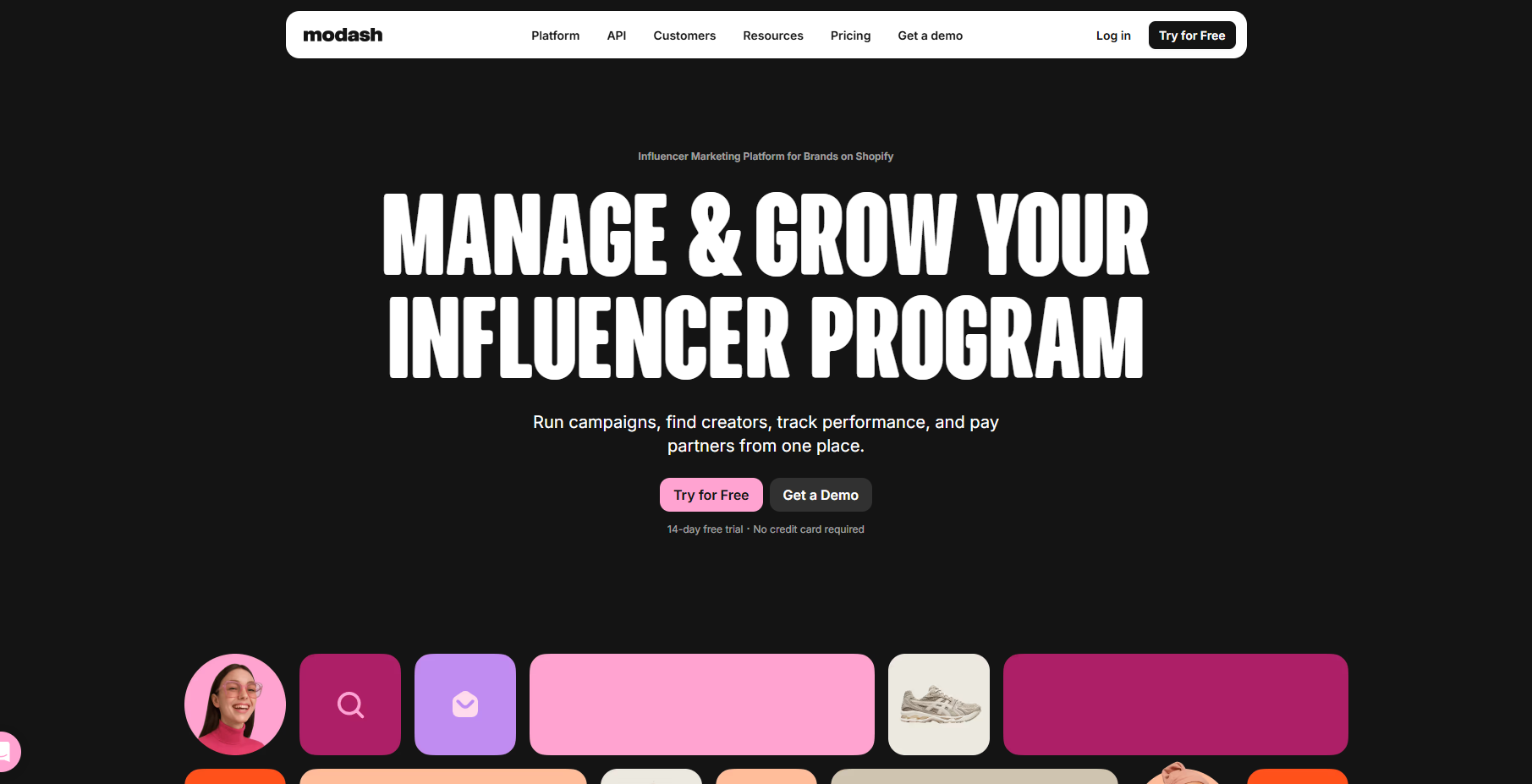
2️⃣ Modash
Overview
Modash is popular for creator discovery and influencer vetting, particularly for TikTok and Instagram.
Key Features
Influencer search with filters
Fake follower detection
Audience demographics
Chrome extension
Pros
✅ Affordable pricing
✅ Clean UI
✅ Strong data transparency
Cons
❌ No campaign execution
❌ No creator negotiation
❌ No licensing or whitelisting support
Best For
Brands doing DIY influencer outreach.
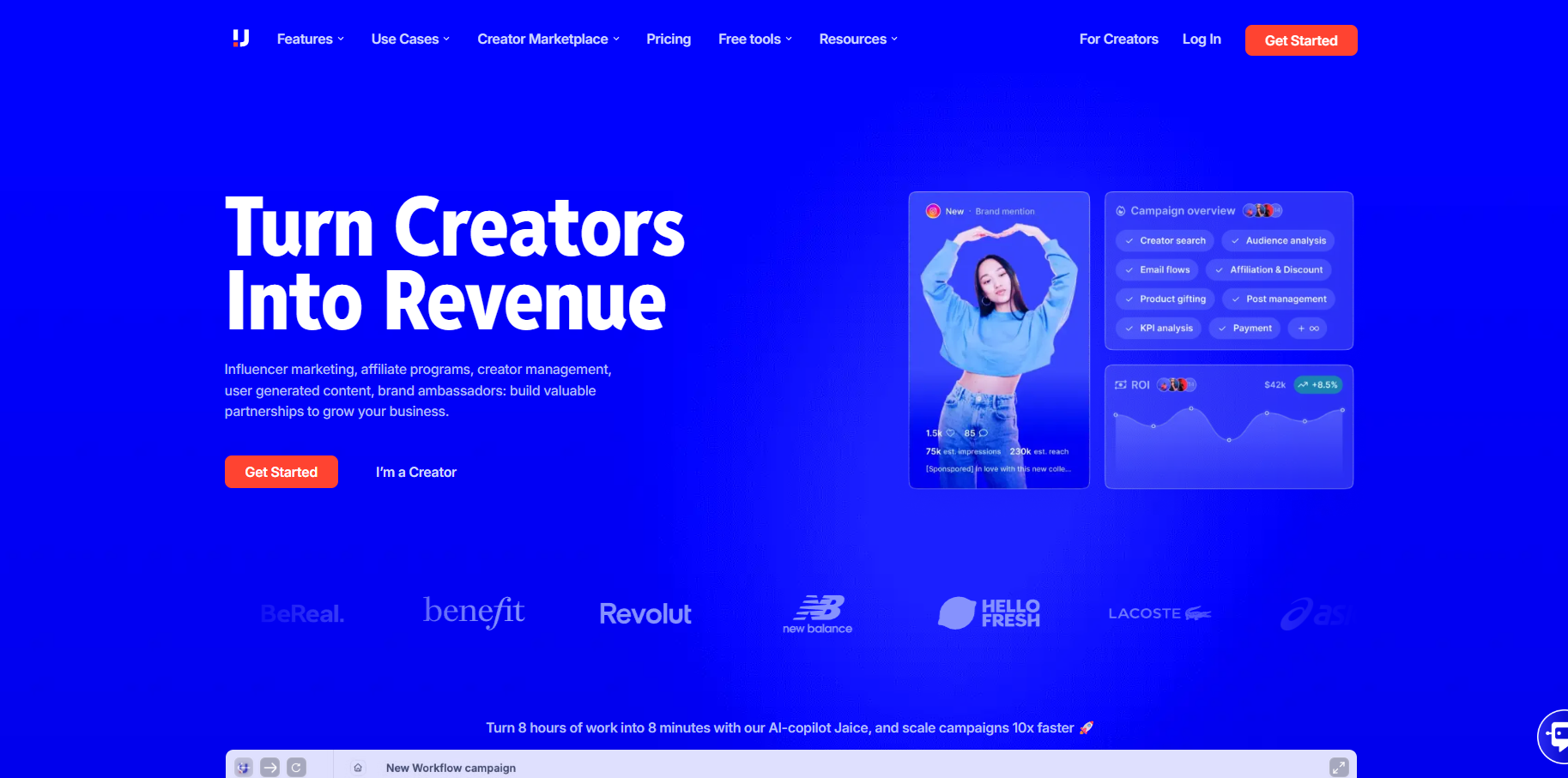
3️⃣ Upfluence
Overview
Upfluence combines influencer discovery with CRM features and is often used by e-commerce brands.
Key Features
Creator discovery
Influencer CRM
Shopify integration
Campaign analytics
Pros
✅ Good for e-commerce
✅ Strong reporting
✅ Cross-platform support
Cons
❌ High learning curve
❌ Expensive monthly fees
❌ Limited livestream functionality
Best For
Mid-to-large e-commerce teams.
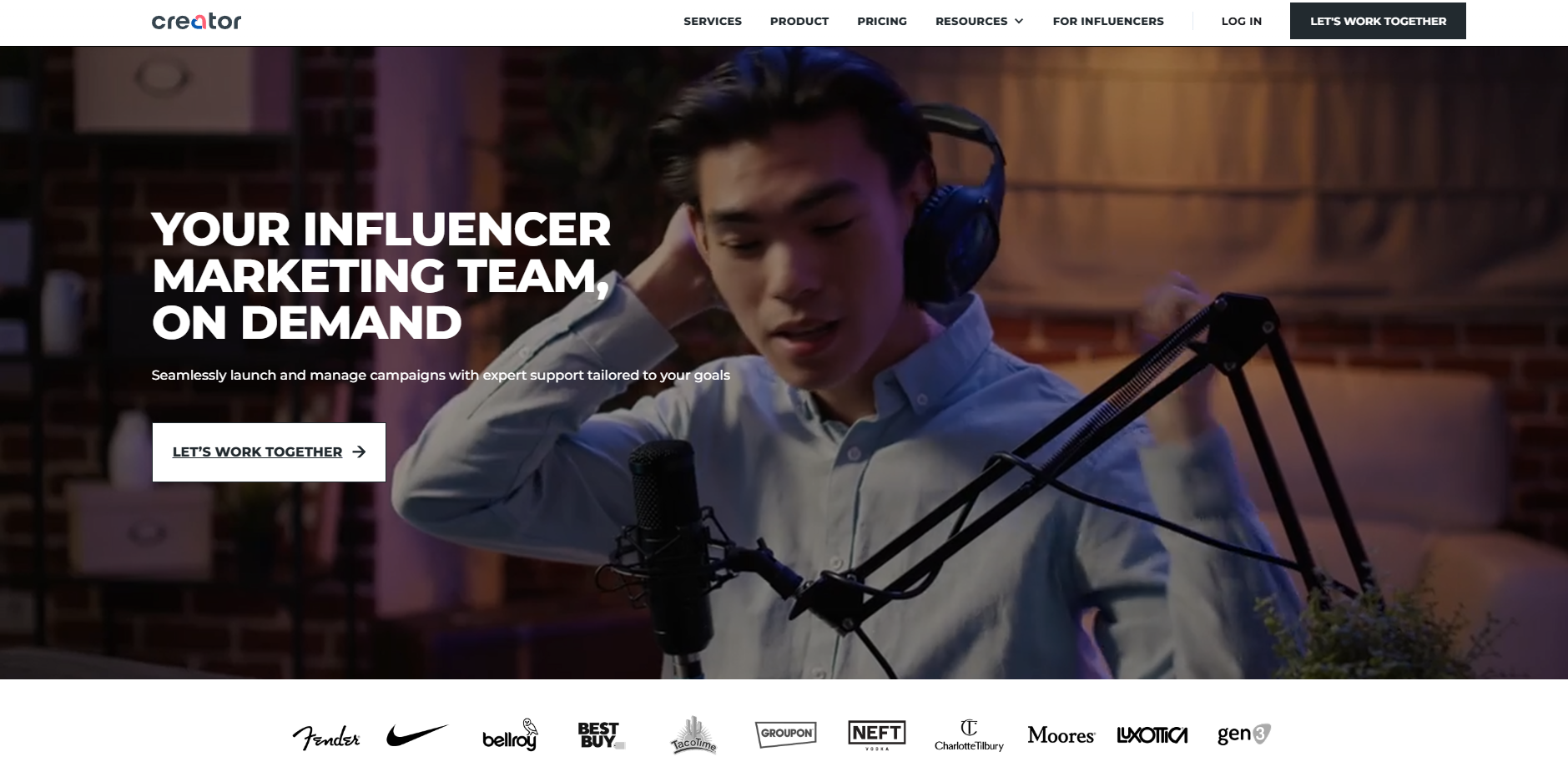
4️⃣ Creator.co
Overview
Creator.co focuses on marketplace-style creator access with campaign management features.
Key Features
Influencer marketplace
Campaign briefs
Basic analytics
Pros
✅ Easy onboarding
✅ Budget-friendly
✅ Fast creator activation
Cons
❌ Limited SG creator depth
❌ Weak relationship building
❌ No performance optimisation
Best For
Short-term campaigns or UGC testing.
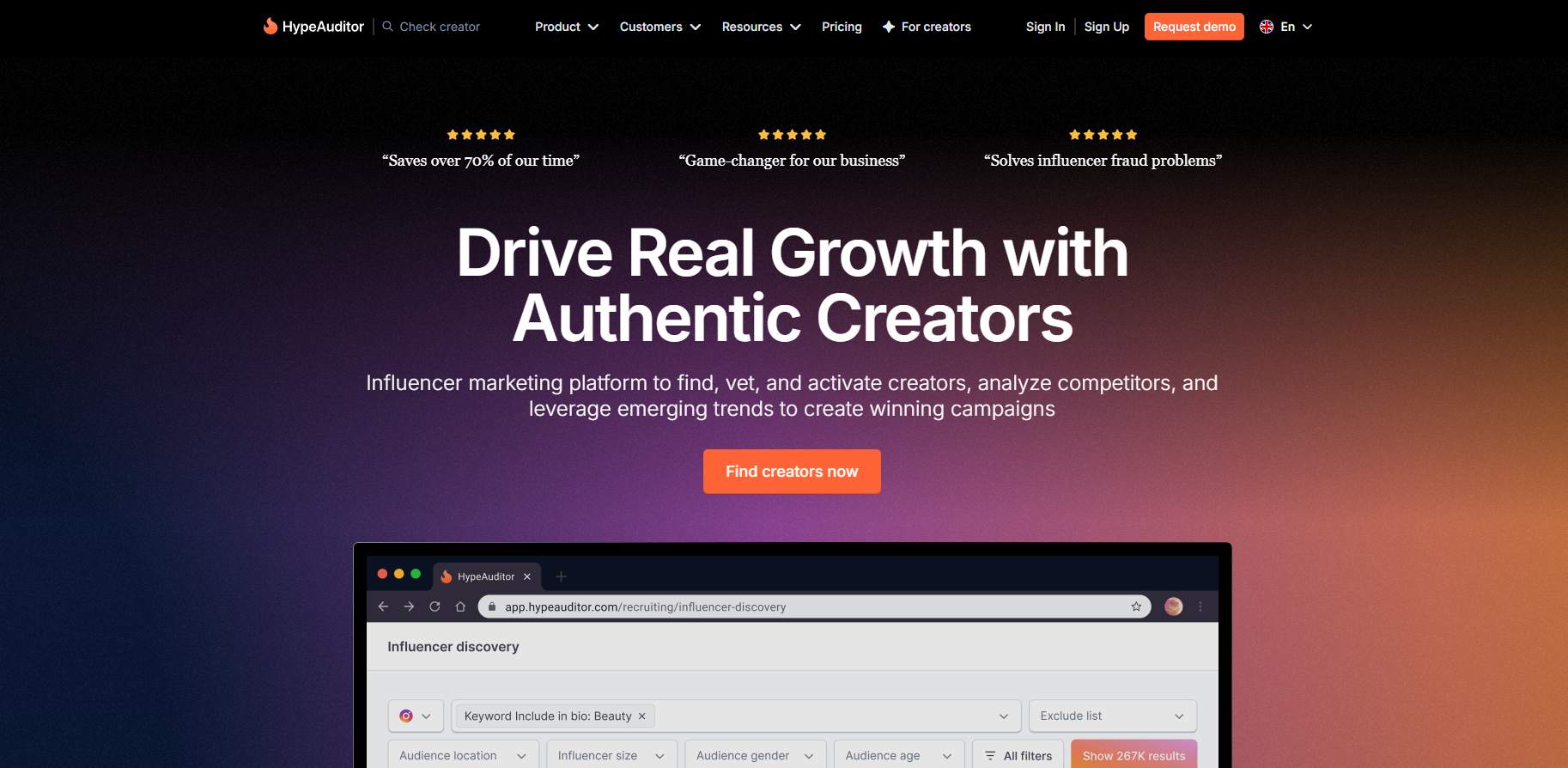
5️⃣ HypeAuditor
Overview
HypeAuditor is best known for influencer analytics and fraud detection.
Key Features
Engagement authenticity checks
Audience quality analysis
Campaign reporting
Pros
✅ Excellent data accuracy
✅ Strong fraud detection
✅ Good benchmarking tools
Cons
❌ No campaign execution
❌ No creator communication
❌ Data-only tool
Best For
Validation and auditing, not execution.
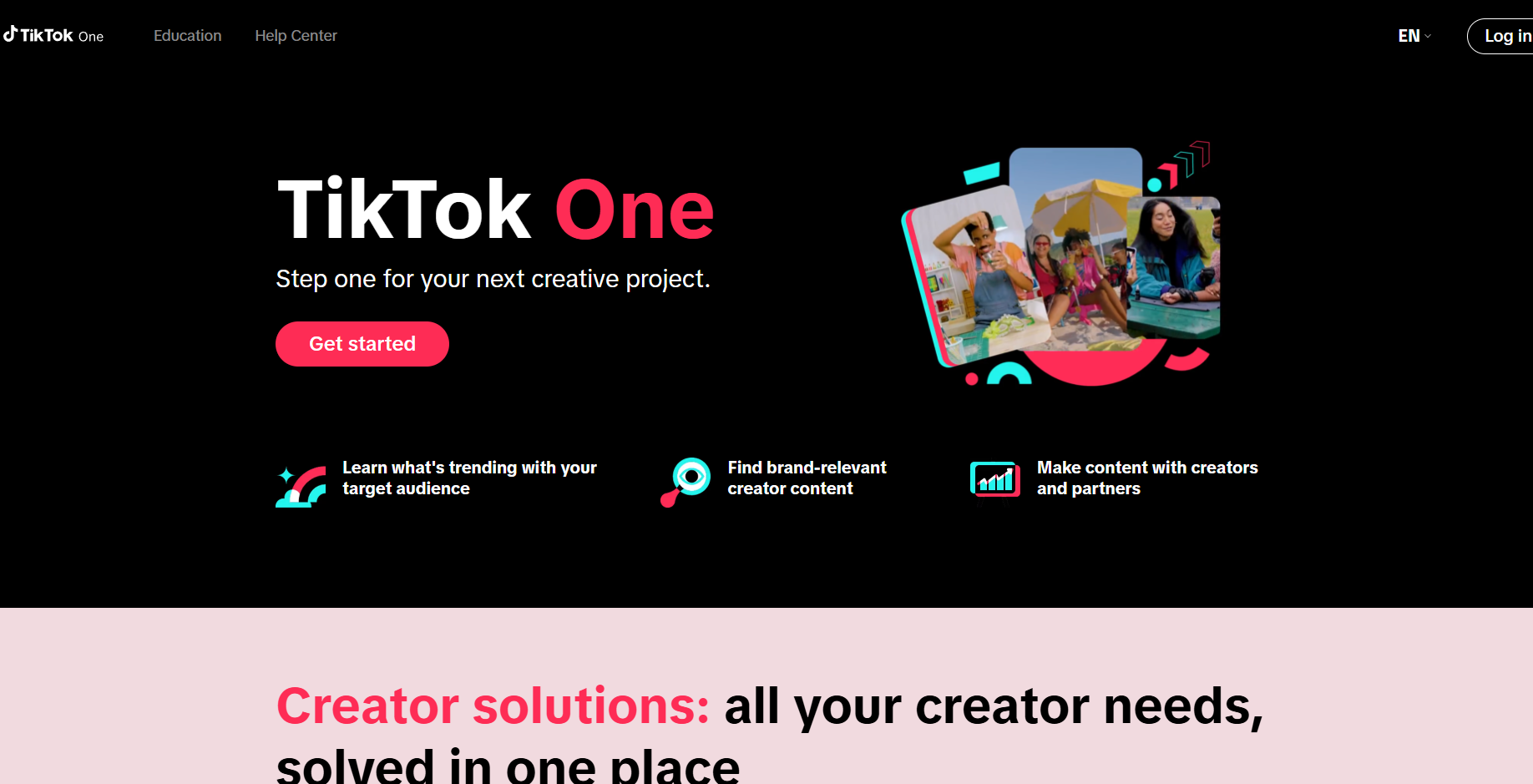
6️⃣ TikTok One (Formerly TikTok Creator Marketplace)
Overview
TikTok’s native creator platform connects brands directly with creators.
Key Features
TikTok-verified creator data
In-platform messaging
Spark Ads authorization
Pros
✅ Free to use
✅ Direct access to creators
✅ Seamless Spark Ads setup
Cons
❌ Overcrowded inboxes
❌ No strategic guidance
❌ Creators often overbooked
Best For
Brands already experienced with TikTok campaigns.
The Hidden Costs of DIY Influencer Platforms
Many brands underestimate:
creator negotiation time
content revisions
poor performance due to weak briefs
lack of optimisation
What looks cheaper on paper often becomes more expensive in execution.
When a Platform Makes Sense (and When It Doesn’t)
Platforms Work Best When:
You have in-house influencer managers
Campaigns are simple & short-term
Paid ads are not the priority
Platforms Fail When:
You need performance outcomes
You’re running whitelisted ads
You want livestream selling
You need ROAS accountability
Why Singapore Brands Choose Confetti Instead
Confetti doesn’t just give you access to creators — we deliver results.
What Confetti Handles That Tools Don’t
Creator sourcing & vetting (local SG focus)
Contracting, licensing & whitelisting
Content scripting & optimisation
Livestream hosting & production
Performance reporting tied to ROI
You get strategy, execution, and accountability — not just software.
How to Choose the Right Approach in 2026
Ask yourself:
Do we need scale or simplicity?
Are we running paid ads?
Do we need livestreams?
Do we want guaranteed outcomes?
If the answer is “yes” to performance and scale — an agency model wins.
Future Trends: Influencer Tech in Singapore
Expect to see:
tighter platform-ad integrations
AI-assisted creator matching
stricter licensing enforcement
livestream-commerce convergence
But human strategy will remain the differentiator.
Conclusion
Influencer platforms are useful tools — but they’re not a growth strategy.
Singapore brands that win in 2026 combine:
creator authenticity
performance marketing
livestream selling
professional licensing
data-driven optimisation
Confetti delivers all of this under one roof.