
Short-Form Video Production in Singapore: The Complete Guide for Brands
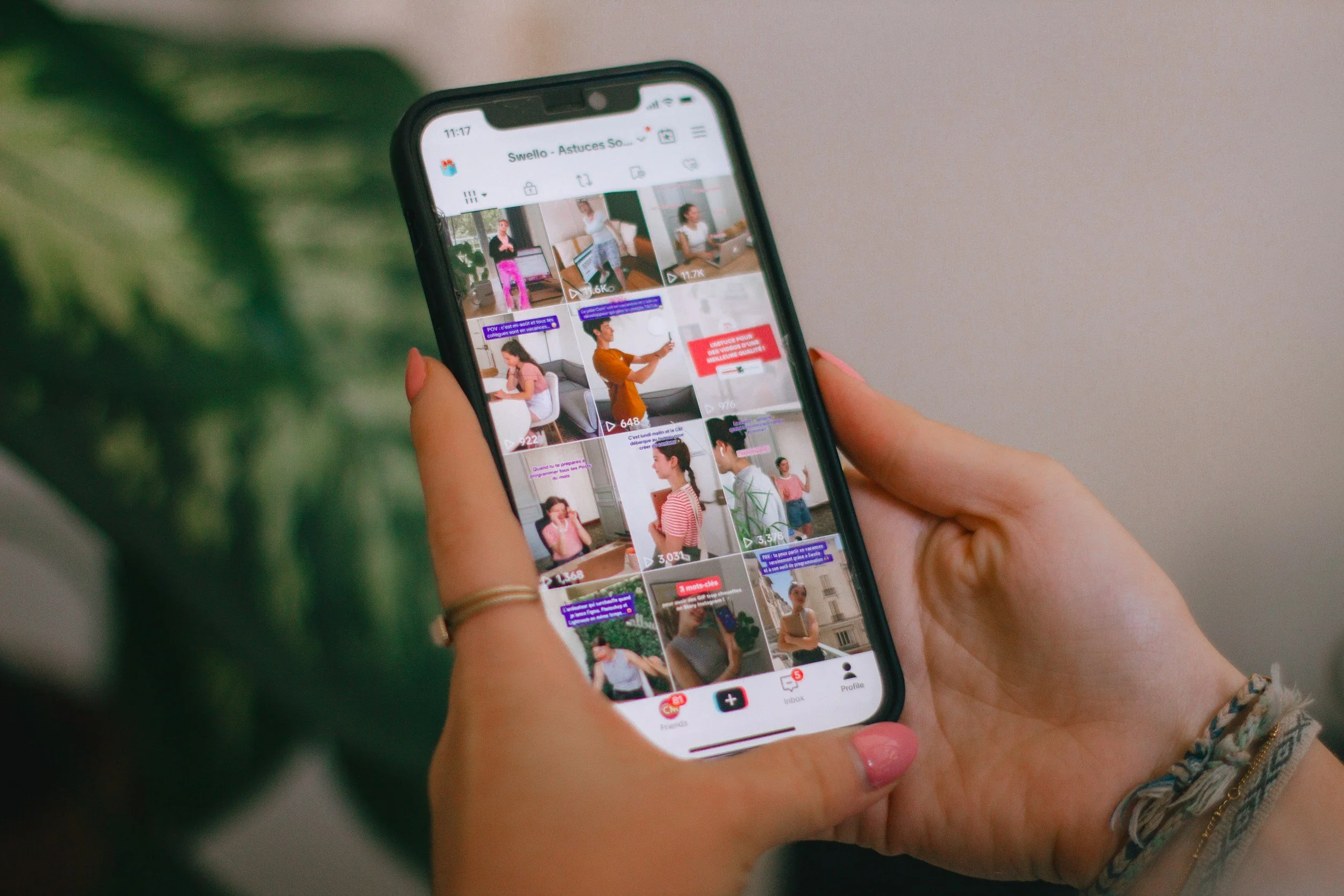
Short-form video has become one of the most important content formats for brands today.
From TikTok and Instagram Reels to Facebook and paid social advertising, brands increasingly need a consistent supply of short videos that can capture attention quickly, communicate a message clearly and give audiences a reason to keep watching.
But creating effective short-form content involves much more than pointing a camera at a subject and pressing record.
The strongest short videos are built through a combination of research, creative strategy, scripting, production and editing — with every decision made around the platform, audience and objective.
This guide explains how short-form video production works, what brands should look for in a production partner, and how to build a consistent pipeline of short-form content for organic social media and paid advertising.
What Is Short-Form Video Production?
Short-form video production is the process of developing, filming and editing short videos designed primarily for digital platforms such as TikTok, Instagram, Facebook and YouTube Shorts.
Unlike traditional video production, short-form content is usually designed around:
Fast attention capture
Mobile-first viewing
Strong opening hooks
Concise storytelling
Platform-native formats
Shorter production cycles
Multiple creative variations
Continuous content production
Short-form videos can be used for many different purposes.
A brand might create videos to:
Build awareness
Educate its audience
Demonstrate a product
Introduce a new service
Tell a brand story
Generate engagement
Build trust
Drive website traffic
Generate leads
Promote an offer
Support paid advertising campaigns
The important distinction is that short does not mean simple.
A 20-second video may require just as much strategic thinking as a longer brand film.
Why Are Short Videos So Important for Brands?
Social media has fundamentally changed how people consume video.
Instead of deliberately searching for content, users increasingly discover brands while scrolling through algorithmically selected feeds.
This creates a very different creative environment.
Your video is competing with:
Other brands
Creators
Influencers
Entertainment
News
Friends and family
Trends
Memes
Advertisements
A viewer can scroll past your content in less than a second.
That means brands need content that can communicate its value quickly while still feeling native to the platform.
Short-form video is particularly useful because it allows brands to communicate ideas visually and create a much larger volume of content than traditional long-form productions.
Instead of producing one large campaign video every few months, a brand can develop an ongoing library of short videos covering different topics, products, audiences and creative angles.
This creates more opportunities to learn what resonates with the audience.
Short-Form Video vs Traditional Video Production
Short-form video production isn't simply traditional video production with a shorter runtime.
The creative approach is different.
Traditional Video Production vs Short-Form Video Production
Often built around one main video vs Often built around multiple pieces of content
Longer storytelling vs Concise storytelling
Cinematic production can be the priority vs Attention and communication are critical
Often campaign-based vs Can be ongoing
One primary edit vs Multiple edits and variations
Longer production cycles vs Faster content cycles
Often distributed through specific channels vs Designed for social-first distribution
This doesn't mean short-form content should look cheap or poorly produced.
It means production quality needs to serve the content rather than become the content.
A beautifully filmed video can still fail if the opening is weak.
Conversely, a simple production can perform well if the concept, hook and storytelling are strong.
What Makes a Good Short-Form Video?
There isn't one formula that guarantees a successful video.
However, strong short-form content usually combines several important elements.
1. A Strong Hook
The first few seconds are critical.
The viewer needs a reason to continue watching.
A hook could be:
A question
“Why are so many brands getting this wrong?”
A problem
“If your ads aren't converting, this could be why.”
A surprising statement
“We completely changed the way we create our videos.”
A result
“Here's what happened after we changed this one thing.”
A visual
Start with the most interesting part of the demonstration rather than an introduction.
The best hook depends on the audience, platform and objective.
2. Clear Storytelling
Even a short video needs structure.
A simple framework could be:
Hook → Problem → Solution → Proof → CTA
Or:
Hook → Demonstration → Benefit → CTA
Or simply:
Interesting idea → Explanation → Payoff
The structure should match the purpose of the content.
A 20-second product demonstration doesn't need the same storytelling structure as a 60-second educational video.
3. Platform-Native Creative
A video created for Instagram isn't necessarily going to work exactly the same way on TikTok or Facebook.
Each platform has different audiences, viewing behaviours and creative conventions.
Short-form content should therefore be designed with its intended platform in mind.
This can affect:
Aspect ratio
Video length
Opening hook
Editing pace
Captions
On-screen text
Music
Call to action
Overall tone
A good short-form production partner doesn't simply create one video and upload it everywhere.
They consider how the content should work across each channel.
4. Strong Visuals
Short-form content doesn't have to be cinematic, but it needs to be visually engaging.
Depending on the concept, this might involve:
Different camera angles
Product close-ups
Movement
Screen recordings
B-roll
Demonstrations
On-screen graphics
Text overlays
Visual transitions
Location changes
The visual approach should support the story.
5. Good Editing
Editing plays a major role in short-form video.
A good edit can improve:
Pacing
Clarity
Retention
Storytelling
Visual variety
Brand consistency
Editing may include:
Cutting pauses
Adding captions
Adding music
Adding sound effects
Motion graphics
Text overlays
B-roll
Transitions
Colour correction
Multiple versions for testing
For advertising, editing can also be used to create different hooks, messages and calls to action from the same production footage.
The Short-Form Video Production Process
At Confetti, we believe effective content starts before the camera comes out.
Our production process can be broken into seven stages.
1. Research
We start by understanding the brand, audience, competitors and content landscape.
Depending on the project, research may include:
Audience behaviour
Competitor content
Existing brand content
Platform trends
Common customer questions
Product benefits
Customer pain points
Existing advertising creative
Previous content performance
The goal isn't simply to find something that looks interesting.
It's to identify what is worth creating.
2. Ideation
Once we understand the brand and audience, we develop content concepts.
Ideas might include:
Educational videos
Product demonstrations
Problem-solution videos
Founder-led content
Customer stories
Behind-the-scenes content
Trend-led videos
Product comparisons
Explainer videos
Promotional content
Lifestyle content
Social-first campaigns
For brands producing content regularly, ideation becomes particularly important.
The challenge isn't creating one good video.
It's creating enough good ideas to sustain an ongoing content pipeline.
3. Scripting
Once a concept is selected, we develop the script.
Short-form scripts need to be concise.
Every line should have a purpose.
Depending on the content, a script might define:
Opening hook
Dialogue
Voiceover
Product messaging
Key benefits
Visual actions
On-screen text
Call to action
A good script also gives the production team a clear understanding of what needs to be filmed.
4. Storyboarding
Storyboarding translates the script into visuals.
This can include:
Shot composition
Camera angles
Locations
Talent direction
Product placement
On-screen graphics
B-roll
Transitions
Scene order
Storyboarding is particularly useful when the video has multiple scenes or requires more detailed production.
It also reduces unnecessary reshoots because everyone understands what needs to be captured before filming begins.
5. Production
This is where the concepts come to life.
Depending on the project, production may involve:
Director
Videographer
Camera equipment
Lighting
Audio
Set design
Location management
Props
Talent
Creators
Makeup and styling
Production crew
Not every short video requires a large production crew.
Some concepts are intentionally designed to feel more natural and social-first.
The production approach should match the creative idea.
6. Editing
After filming, the raw footage becomes finished content.
The editing process can include:
Selecting the strongest footage
Structuring the story
Cutting for pace
Adding captions
Adding graphics
Adding music
Adding sound effects
Colour correction
Brand elements
Motion graphics
Calls to action
For performance advertising, we can also create different versions of the same concept.
For example:
Version A: Problem-focused opening
Version B: Product-focused opening
Version C: Benefit-focused opening
Version D: Testimonial opening
This allows brands to test different creative approaches instead of relying on one version of an advertisement.
7. Delivery
The final content can be prepared for its intended distribution channels.
This may include:
TikTok
Instagram Reels
Facebook
YouTube Shorts
Meta Ads
TikTok Ads
Other digital advertising placements
Depending on the project, we can also provide different edits, aspect ratios, hooks or calls to action.
The objective is to make the content ready to publish and ready to use.
What Types of Short Videos Can Brands Create?
Short-form content can take many different forms.
Product Demonstration Videos
Show customers how a product works rather than simply telling them about it.
Particularly useful for products where the value is easier to understand visually.
Educational Videos
Answer common customer questions or explain something relevant to your industry.
Educational content can help brands build authority while providing useful information to audiences.
Problem-Solution Videos
Start with a problem your target customer recognises and demonstrate how your product or service solves it.
Founder-Led Videos
Put a face behind the brand.
Founder-led content can be used for:
Brand stories
Industry opinions
Product explanations
Behind-the-scenes content
Educational videos
Testimonial Videos
Use customer experiences to demonstrate how a product or service works in the real world.
Lifestyle Content
Show the product or brand in the context of everyday life.
Behind-the-Scenes Content
Give audiences a look at the people, process and personality behind the brand.
Promotional Videos
Communicate:
New products
Sales
Launches
Promotions
Events
Seasonal campaigns
Trend-Led Content
Participate in relevant social trends while maintaining the brand's own identity.
Trends should be used selectively.
A trend isn't automatically useful simply because it is popular.
Short-Form Videos for Organic Social Media
Organic social content and advertising creative have different objectives.
Organic content can be used to:
Build a following
Educate audiences
Establish brand personality
Encourage engagement
Participate in conversations
Build familiarity
Create a consistent publishing presence
The content can be more exploratory.
Brands can experiment with different formats and topics to discover what their audiences respond to.
A strong organic content strategy should therefore include a mixture of:
Education
Entertainment
Product
Brand
Community
Promotion
The exact balance depends on the brand and its objectives.
Short-Form Videos for Meta and TikTok Ads
Short-form video is also an important component of paid social advertising.
For ads, the creative needs to do more than attract attention.
It needs to communicate a value proposition and encourage the viewer to take action.
That might mean:
Visiting a website
Making a purchase
Signing up
Downloading something
Sending an enquiry
Learning more about a product
For performance campaigns, brands can create multiple creative concepts and variations.
For example, one product could have:
Concept 1 — Problem
“Struggling with X?”
Concept 2 — Demonstration
“Here's how X works.”
Concept 3 — Benefit
“Get X without Y.”
Concept 4 — Social Proof
“Here's what our customers say.”
Concept 5 — Comparison
“X vs Y — what's the difference?”
This creates a larger creative testing pool for paid media campaigns.
How Many Short Videos Should a Brand Produce?
There is no universal number.
The right amount depends on:
Your marketing objectives
Number of platforms
Available budget
Product range
Campaign frequency
Paid media requirements
Existing content library
Internal resources
However, brands should think beyond individual videos.
Instead of asking:
“How much does one video cost?”
Consider:
“How much content do we need every month?”
This changes the production model.
For example, instead of producing one video at a time, a brand might plan a monthly production cycle around several content pillars.
Example
Monthly content themes
Product
→ 4 videos
Education
→ 4 videos
Brand
→ 3 videos
Entertainment / trends
→ 3 videos
Paid advertising
→ 6 variations
That creates a content system rather than a collection of disconnected videos.
How to Build a Short-Form Content Engine
The biggest challenge for many brands isn't producing one good video.
It's producing good content consistently.
A sustainable content engine typically looks like:
Research
↓
Content Strategy
↓
Monthly Ideas
↓
Scripts
↓
Production
↓
Editing
↓
Publishing / Advertising
↓
Performance Analysis
↓
New Ideas
The final step is important.
Content production should not exist in a vacuum.
The performance of previous content can help inform what you create next.
Over time, brands can identify:
Which hooks attract attention
Which topics generate engagement
Which products resonate
Which formats work
Which messages drive action
Which creative concepts should be repeated
The result is a content process that becomes increasingly informed by what the audience responds to.
Should You Work With a Short-Form Video Production Agency?
Producing short videos internally can work well for some brands.
An internal team may already have:
Content expertise
Equipment
Creative resources
Editors
Social media managers
Designers
However, external production support can make sense when a brand needs more creative capacity or wants to increase its content output without building a larger internal team.
A short-form video production agency can help with:
Strategy
Researching audiences, trends and competitors.
Creative
Developing concepts, hooks and scripts.
Production
Handling filming, direction, talent and equipment.
Post-production
Editing, captions, graphics and creative variations.
Scale
Producing a larger volume of content consistently.
The right model depends on the brand's internal capabilities and requirements.
Why Choose Confetti for Short-Form Video Production?
Confetti takes a different approach to video production.
We're not just a team that receives a script, films it and sends back the footage.
We can manage the process from research to final edit.
Research
We understand the brand, audience and content landscape.
Ideation
We develop concepts around your objectives.
Scripting
We turn concepts into concise, engaging scripts.
Storyboarding
We plan the visual execution before production.
Production
We bring the concepts to life through professional filming and direction.
Editing
We turn footage into polished short-form content for social media and advertising.
Content Strategy
We can help brands develop a consistent pipeline of content rather than treating every video as a standalone project.
And because Confetti operates across influencer marketing, UGC, livestream commerce and social commerce, our production work can also sit within a wider digital content strategy.
The result is a more connected approach to content — from the idea on the page to the video on your audience's screen.
Short-Form Video Production FAQs
How much does short-form video production cost in Singapore?
The cost depends on factors such as the number of videos, complexity of the concepts, filming requirements, locations, talent, equipment, production crew and editing requirements.
For ongoing content, a monthly production arrangement can often make more sense than producing videos individually.
How long does it take to produce a short-form video?
Timelines depend on the complexity of the project and the number of videos being produced.
Projects involving research, creative development, scripting, filming and editing require more planning than simple editing projects.
Can you create multiple videos in one filming day?
Yes.
Batch production is one of the most efficient ways to create a consistent supply of short-form content.
With appropriate planning, multiple concepts and scripts can be filmed during the same production session.
Can you create videos for both organic social media and ads?
Yes.
The creative approach can be adapted depending on whether the content is intended for organic publishing, paid advertising or both.
Do you provide scripts and storyboards?
Yes.
Confetti can manage the creative development process from initial research and ideation through scripting and storyboarding before filming begins.
Can you provide actors or creators?
Depending on the project, we can help source and coordinate appropriate talent or creators.
Can you edit existing footage?
Yes.
If you already have footage, we can also help turn existing assets into short-form social media content or advertising creatives.
Which platforms can the videos be used on?
Short-form videos can be produced for platforms such as TikTok, Instagram, Facebook and YouTube Shorts, as well as paid advertising placements.
Ready to Create Better Short-Form Content?
Your audience is already scrolling.
The question is whether your brand has something worth stopping for.
Confetti helps brands turn research, ideas and messages into short-form videos designed for modern social media and digital advertising.
From research and ideation to scripting, storyboarding, filming and editing, we handle the production process from start to finish.
Need short-form videos for your brand?