
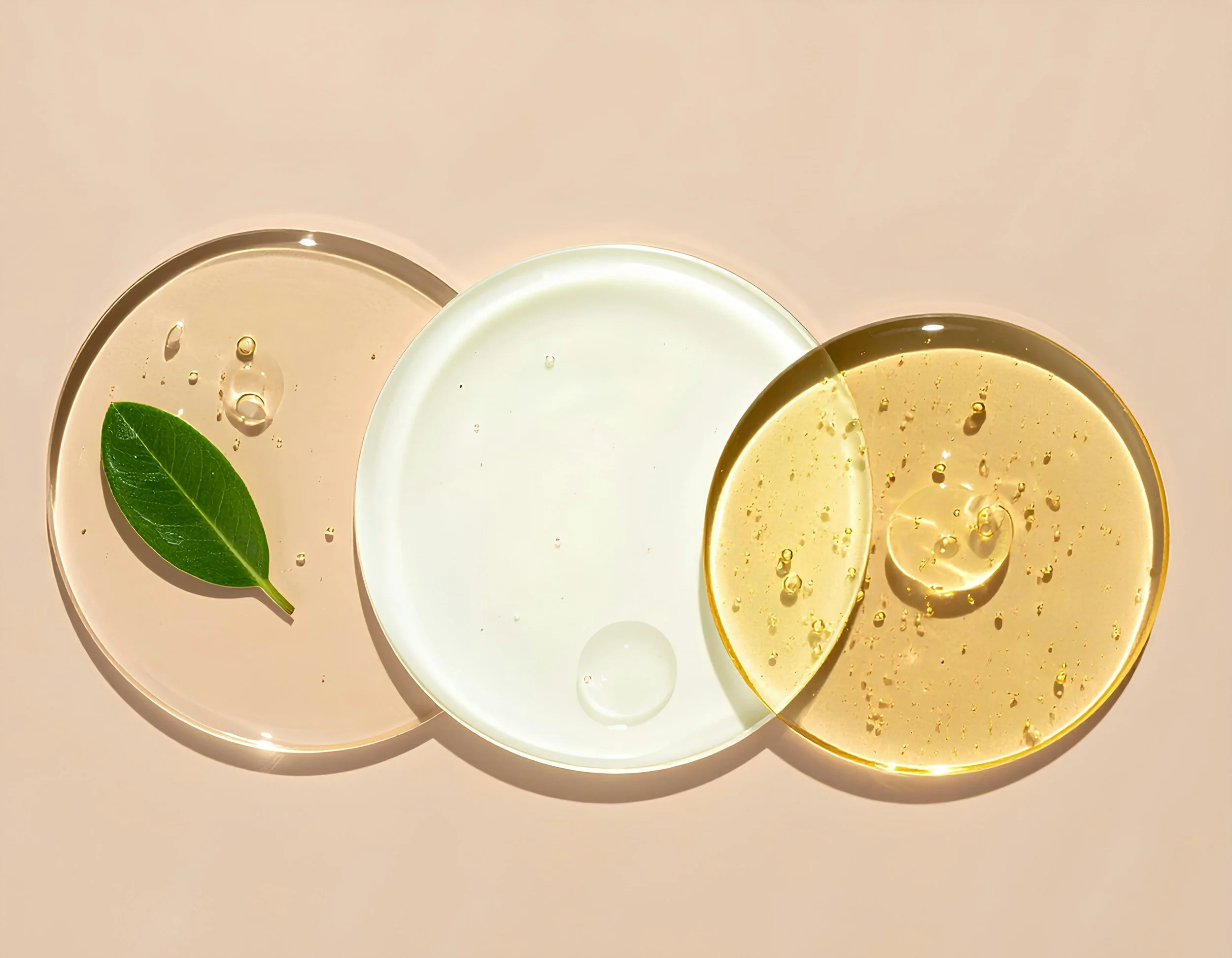
Beauty and skincare products are particularly well suited to influencer marketing. Consumers often want to see how a product looks, feels and fits into someone's daily routine before deciding whether to buy it. A recommendation from a creator they trust can make a brand feel more relatable than a conventional advertisement.
For beauty brands in Singapore, however, simply sending products to influencers and hoping for positive reviews is rarely a complete strategy.
A successful campaign needs the right creators, a clear content direction, credible product demonstrations and a plan to turn attention into measurable business results.
Whether you are launching a new skincare range, building awareness for an established beauty brand or driving sales for an e-commerce store, this guide explains how to plan an influencer marketing campaign that delivers more than views and likes.
Why Influencer Marketing Works for Beauty and Skincare Brands
Beauty is a highly visual and personal category. Consumers want to understand how a product works, how it is used and whether it is suitable for their needs.
Influencer content can help answer these questions in a format that feels natural to social media.
Here are five reasons beauty brands use influencer marketing.
1. Consumers can see products in use
A skincare product's packaging and product description can only communicate so much. A creator can demonstrate the texture of a moisturiser, show how a serum fits into a routine or explain how a makeup product applies.
This gives potential customers a more tangible understanding of the product.
2. Creators help brands build trust
Consumers may be more receptive to a product recommendation when it comes from a creator whose content they already follow.
The relationship is not automatic, though. A creator's credibility depends on their audience, content quality and how naturally the product fits their usual topics.
A creator with a smaller but genuinely engaged skincare audience may be more relevant than a larger general lifestyle account.
3. Beauty content is naturally suited to short-form video
Platforms such as TikTok and Instagram Reels make it easy to demonstrate products through short videos.
Examples include:
Morning and evening skincare routines
Product texture demonstrations
Makeup application tutorials
Get-ready-with-me videos
Product comparisons
Unboxing and first impressions
Beauty tips and ingredient explainers
These formats give brands multiple ways to communicate product benefits without relying on a traditional advertisement.
4. Campaigns can support different stages of the customer journey
Not every influencer post needs to generate an immediate purchase.
Some content introduces a brand to new audiences. Other content helps consumers understand a product, compare options or decide whether to buy.
A well-planned campaign can support the full journey, from awareness to consideration and conversion.
5. Creator content can be reused across marketing channels
With the appropriate usage rights and permissions, influencer content can become a valuable creative asset.
Brands may be able to repurpose approved content for:
Organic social media posts
Paid social advertising
Product landing pages
E-commerce product pages
Campaign newsletters
Brand websites
This allows a campaign to contribute beyond the original creator post.
What Types of Influencers Should Beauty Brands Work With?
The best influencer is not necessarily the one with the most followers. It is the creator whose audience, content style and credibility match the brand's objectives.
For beauty and skincare campaigns in Singapore, brands can consider several creator profiles.
Skincare-focused creators
These creators regularly discuss skincare routines, ingredients, product experiences and beauty concerns.
They are useful when a brand needs to communicate product features in more detail, particularly for products that require explanation before purchase.
Potential content includes:
Skincare routine integrations
Product application demonstrations
Ingredient explainers
First impressions
Long-term product updates
Makeup creators
Makeup creators are suitable for cosmetics, colour products, foundations, lip products and other items where application and visual results matter.
Their content can demonstrate how products look in different lighting, how shades appear on skin and how products work together.
Lifestyle creators
Lifestyle creators may not focus exclusively on beauty, but they can introduce products to broader audiences through everyday content.
For example, a creator might feature a sunscreen in a morning routine, a moisturiser while travelling or a beauty product as part of a self-care routine.
This can help a brand reach consumers who are not actively following skincare accounts.
Micro and niche creators
Smaller creators can be valuable when their audiences are concentrated around a particular interest or community.
For example, a brand targeting consumers interested in sensitive-skin routines may prefer creators who consistently discuss that topic rather than general beauty personalities.
The important consideration is audience relevance, not follower count alone.
How should brands compare creators?
Selection factorWhat to evaluateAudience relevanceDoes the creator reach the consumers the brand wants?Content qualityAre videos clear, engaging and well produced?Engagement qualityDo comments show genuine interest and discussion?Brand alignmentDoes the creator's style suit the brand's positioning?CredibilityDoes the creator communicate product experiences responsibly?ConsistencyDoes the creator publish regularly in the relevant category?Commercial suitabilityCan the creator deliver content that supports the campaign objective?
Brands should also review previous sponsored content. If a creator promotes many unrelated products in a short period, their recommendations may carry less credibility.
Which Influencer Content Formats Work Best for Beauty Campaigns?
A common mistake is asking every creator to produce the same type of promotional post.
Different content formats serve different purposes. A product launch may require awareness and excitement, while a skincare brand trying to increase sales may need content that explains how a product works and why someone should consider it.
Here are six formats worth considering.
1. Skincare routine videos
Routine-based content shows how a product fits into someone's daily habits.
For example:
My morning skincare routine
My evening routine after a long day
Three products I use before applying makeup
How I layer my skincare products
This format is useful for brands with products that are designed to be used regularly or alongside other products.
2. Product demonstrations
Demonstrations show the product itself rather than relying only on a creator's verbal recommendation.
Examples include:
Showing the texture of a serum
Demonstrating how a cleanser lathers
Applying a foundation in natural lighting
Showing the consistency of a moisturiser
The goal is to make the product easier to understand and evaluate.
3. First impressions and unboxing
First-impression content introduces a product through the creator's initial experience.
It can be useful for product launches, new collections and gifting campaigns.
However, brands should not confuse an initial impression with a long-term product review. If a creator has only tried a product once, the content should not imply months of experience.
4. Educational content
Educational content explains topics that matter to the target audience.
For example:
Understanding different moisturiser textures
What to consider when choosing a cleanser
How to build a simple skincare routine
Common mistakes when applying sunscreen
The brand can be introduced naturally when the product is relevant to the topic.
Any product-related statements should be accurate and supported. Educational content should not become a way to disguise unsupported claims.
5. Get-ready-with-me content
Get-ready-with-me videos allow creators to feature beauty products as part of their normal routines.
They can be particularly useful for makeup, skincare and lifestyle brands that want content to feel integrated into everyday social media consumption.
6. Product-focused promotional videos
These videos have a clearer commercial objective.
They may highlight a product's key features, introduce a promotion, explain a product bundle or direct viewers to an online store.
For this format, brands should provide clear campaign information and approved product claims while allowing creators enough flexibility to produce content that suits their audience.
How to Plan a Beauty Influencer Campaign in Singapore
A successful campaign starts before the first product is sent out.
Brands should work through the following steps.
Step 1: Define the campaign objective
Start by deciding what the campaign needs to achieve.
Common objectives include:
Increasing brand awareness
Introducing a new product
Generating product consideration
Driving traffic to an e-commerce store
Increasing sales
Producing content for future advertising
Avoid trying to achieve every objective with one campaign message.
For example, a campaign focused on introducing a new skincare range may prioritise reach and product education. A conversion-focused campaign may instead use product demonstrations, clear offers and trackable links.
Step 2: Understand the target audience
Define the consumers the brand wants to reach.
For a skincare brand, this might include consumers interested in:
Daily skincare routines
Hydration and moisturising
Sensitive-skin product selection
Sun protection
Anti-ageing skincare
Beauty and cosmetics
Ingredient-conscious product choices
The audience definition should influence creator selection and content direction.
Brands should also consider the language and cultural context of their audience. In Singapore, campaigns may benefit from creators who communicate comfortably in English, Mandarin or other relevant languages, depending on the intended customer segment.
Step 3: Select the right creators
Build a shortlist based on audience fit, content quality, brand suitability and commercial requirements.
Do not rely on follower count as the main selection criterion.
Review each creator's recent content, sponsored posts, comment quality and consistency. Where possible, request relevant audience insights and performance data before confirming participation.
For a campaign involving multiple creators, consider using a mix of profiles and content styles rather than selecting several creators who all reach the same audience in the same way.
Step 4: Develop a clear campaign brief
Creators need enough information to communicate the product accurately and produce content that meets the campaign objective.
A useful beauty influencer brief should include:
Brand information
Brand background and positioning
Product range and key differentiators
Target audience
Product information
Product features
Approved product descriptions and claims
Usage instructions
Relevant ingredients or specifications
Important precautions, where applicable
Content requirements
Required platforms and formats
Key messages
Content angles or suggested concepts
Deliverable quantities
Posting dates
Tagging and account requirements
Commercial requirements
Campaign fee and payment terms
Product gifting arrangements
Content approval process
Usage rights
Exclusivity, if applicable
Paid advertising permissions, if required
A good brief provides direction without making every creator produce identical content.
Step 5: Coordinate product seeding and content production
For product-seeding campaigns, make sure the logistics are organised before the campaign begins.
Confirm delivery addresses, product variants, quantities and expected timelines.
For paid campaigns, agree on the deliverables and content schedule with each creator. Allow sufficient time for product familiarisation, filming, review and any agreed revisions.
Beauty content often depends on product experience. If a campaign requires a creator to discuss longer-term use, the timeline should reflect that requirement rather than asking for a review after only a few days.
Step 6: Review content before publication
The review process should focus on accuracy, agreed deliverables and brand safety.
Check that:
Product names and descriptions are correct.
Product claims are supported and approved.
Visuals represent the product accurately.
Required tags and campaign information are included.
Sponsored relationships are disclosed clearly.
Content meets the agreed format and posting requirements.
Brands should avoid editing creator content so heavily that it no longer feels authentic to the creator's usual style.
Step 7: Track campaign performance
After publication, collect performance data and compare it against the original campaign objective.
Do not evaluate every campaign using likes and views alone.
For an awareness campaign, reach and video views may be important. For a sales campaign, tracked traffic, conversions and revenue may matter more.
The final evaluation should explain what worked, what did not and what should change in the next campaign.
How Much Should Beauty Brands Spend on Influencer Marketing in Singapore?
There is no single standard price for a beauty influencer campaign.
Costs depend on several factors, including:
Creator popularity and audience size
Engagement and content performance
Number and type of deliverables
Production complexity
Platform requirements
Usage rights and advertising permissions
Exclusivity requirements
Campaign duration
Agency coordination and management
A product-seeding campaign may involve product and logistics costs without a guaranteed paid content deliverable.
A paid creator campaign may require fees for content creation, posting and additional usage rights.
A larger campaign involving multiple creators will also require more coordination, briefing, quality control and reporting.
How to Measure the Results of a Beauty Influencer Campaign
Measurement should be linked to the campaign objective.
Here are the main metrics beauty brands should consider.
Awareness metrics
For campaigns designed to introduce a brand or product:
Reach
Impressions
Video views
Average watch time
Video completion rate
Audience growth
These metrics help indicate how widely the content was distributed and whether people watched it.
Engagement metrics
For campaigns designed to encourage interest and discussion:
Likes
Comments
Shares
Saves
Engagement rate
Relevant audience questions
For beauty brands, the quality of comments can be especially useful. Questions about product suitability, usage and availability may indicate genuine interest.
Traffic metrics
For campaigns designed to bring potential customers to a website or online store:
Link clicks
Landing page visits
Click-through rate
Product page views
Add-to-cart activity
Use trackable links or campaign-specific landing pages where possible.
Conversion metrics
For campaigns with a sales objective:
Orders
Revenue
Conversion rate
Cost per acquisition
Average order value
Revenue attributed to campaign links or codes
Discount codes can help with tracking, but they should not be the only measurement method. Some consumers may see influencer content and purchase later through another channel.
Content value
A campaign may also produce reusable creative assets.
Evaluate the quality and usefulness of the content produced, including whether it can support future organic posts, paid advertising or product pages.
Where usage rights permit, strong creator content can continue delivering value after the original campaign has ended.
Common Mistakes Beauty Brands Should Avoid
Even brands with good products can run ineffective influencer campaigns if the execution is poorly planned.
Choosing influencers based only on follower count
A large following does not guarantee audience relevance or meaningful engagement.
Look at the creator's actual content, audience profile and previous campaign performance.
Sending products without a campaign strategy
Product seeding can generate awareness, but there is no guarantee that recipients will publish content.
If the brand needs specific deliverables, timelines or guaranteed posts, it should establish a paid collaboration with agreed terms.
Giving creators overly restrictive scripts
A script that sounds like a conventional advertisement may not suit the creator's style.
Provide key messages and approved claims, but allow creators to communicate naturally.
Expecting immediate results from every post
Some consumers need repeated exposure and additional information before purchasing skincare products.
A single post may contribute to awareness or consideration without generating immediate sales.
Making unsupported product claims
Beauty and skincare marketing must be particularly careful about claims involving skin conditions, treatment outcomes and product effectiveness.
For cosmetic products in Singapore, HSA guidance states that claims must align with the permitted cosmetic purpose and be supported by appropriate evidence. Cosmetic products should not be promoted as preventing or treating diseases or medical conditions.
Brands should provide creators with approved claims and supporting information rather than expecting them to develop technical product claims independently.
Ignoring disclosure requirements
Sponsored content should be clearly identified as commercial content.
Brands should make disclosure expectations part of the campaign brief and check that creators follow them in the published content.
Failing to secure content usage rights
A creator agreeing to publish a post does not automatically mean the brand can use that content in paid advertisements or across other marketing channels.
Agree on usage rights, duration, platforms and advertising permissions before the content is produced.
Should You Work With an Influencer Marketing Agency?
Managing a small number of creator collaborations internally may be straightforward. As a campaign grows, however, the work becomes more complex.
Brands may need to identify suitable creators, negotiate fees, coordinate product delivery, manage briefs, review content, track posts and consolidate performance reports.
An influencer marketing agency can help manage these moving parts.
A suitable agency should be able to support:
Campaign strategy and planning
Creator research and recommendations
Influencer sourcing and negotiation
Campaign briefing and coordination
Content review and quality control
Posting schedule management
Performance tracking and reporting
Content usage and amplification planning
When evaluating an agency, ask how it selects creators, how it measures results and what is included in its management fee.
It is also worth understanding whether the agency can support related activities such as UGC production, short-form video content and paid social amplification.
For beauty brands, this can make it easier to connect influencer activity with a wider content and performance marketing strategy.
How Confetti Helps Beauty Brands Execute Influencer Campaigns
Beauty influencer marketing requires more than a list of creators. Brands need a campaign strategy that connects the right people, relevant content and measurable objectives.
Confetti helps brands plan and execute influencer marketing campaigns in Singapore, from creator identification and campaign coordination to content management and performance reporting.
Our approach focuses on matching creators to campaign objectives rather than selecting influencers based on follower numbers alone.
Depending on the campaign, brands can also explore a wider range of content and commerce services through Confetti, including:
Influencer and KOL marketing: Creator sourcing, campaign planning and execution.
UGC production: Authentic-style content created for brand-owned marketing channels.
Short-form video production: Research, ideation, scripting, storyboarding, filming and editing for organic social content and paid advertising.
Livestream and social commerce: Content and creator-led activities that support product discovery and sales.
This allows brands to consider influencer content as part of a broader marketing system, rather than treating every creator collaboration as a standalone activity.
Whether you are launching a new skincare product, building awareness for a beauty brand or planning a larger creator campaign, Confetti can help you develop a campaign that is aligned with your business objectives.
Planning an influencer marketing campaign for your beauty or skincare brand in Singapore?
Speak to Confetti about your campaign objectives, target audience and creator requirements.
Frequently Asked Questions
1. Is influencer marketing effective for beauty and skincare brands?
It can be effective because creators can demonstrate products, explain how they fit into daily routines and introduce brands to relevant audiences. Results depend on creator selection, content quality, campaign objectives and how performance is measured.
2. Which social media platform is best for beauty influencer marketing in Singapore?
TikTok and Instagram are both useful, but the right platform depends on the target audience and campaign objective. TikTok is well suited to discovery through short-form video, while Instagram supports Reels, Stories and ongoing creator-brand relationships. Brands should choose platforms based on audience behaviour rather than assuming one platform is always better.
3. Should beauty brands work with micro-influencers or macro-influencers?
Both can be useful. Micro-influencers may offer a more focused audience and niche relevance, while macro-influencers can provide broader reach. A combination may be appropriate when a campaign needs both awareness and targeted engagement.
4. How many influencers should a beauty brand work with?
There is no fixed number. The appropriate number depends on the campaign budget, audience size, objectives and required content volume. A smaller, carefully selected group may be sufficient for a focused product launch, while a larger campaign may need a broader creator mix.
5. Should beauty brands pay influencers or send free products?
Product seeding can be useful for introducing products and generating voluntary interest, but it does not guarantee content publication. Paid collaborations are more suitable when brands require specific deliverables, posting dates, content formats or usage rights.
6. Can brands use influencer content in paid advertisements?
They can when the necessary permissions and usage rights have been agreed. Brands should clarify whether paid advertising usage is included, which platforms are covered and how long the content may be used.
7. How long should a beauty influencer campaign run?
The timeline depends on the campaign. A product launch may have a concentrated publishing period, while a brand-building campaign may benefit from creator activity spread over several weeks or months. Campaign schedules should allow time for product familiarisation, content production and reporting.
8. What should beauty brands look for in an influencer marketing agency?
Look for an agency with relevant creator networks, a clear selection process, strong campaign coordination and transparent reporting. It should understand the beauty category, communicate product requirements accurately and help connect creator activity to the brand's wider marketing objectives.